Key Takeaways
Buying a coastal condo in Brasilito calls for equal attention to lifestyle, legal details, and financial planning.
- Compare direct beach access with ocean-view and village locations.
- Review construction, HOA services, rules, and maintenance responsibilities.
- Confirm title, boundaries, ownership structure, and contract terms independently.
- Budget for closing costs, insurance, taxes, HOA fees, and management.
- Decide how personal use and rental plans will shape the purchase.
Understanding the Brasilito beachfront condo market
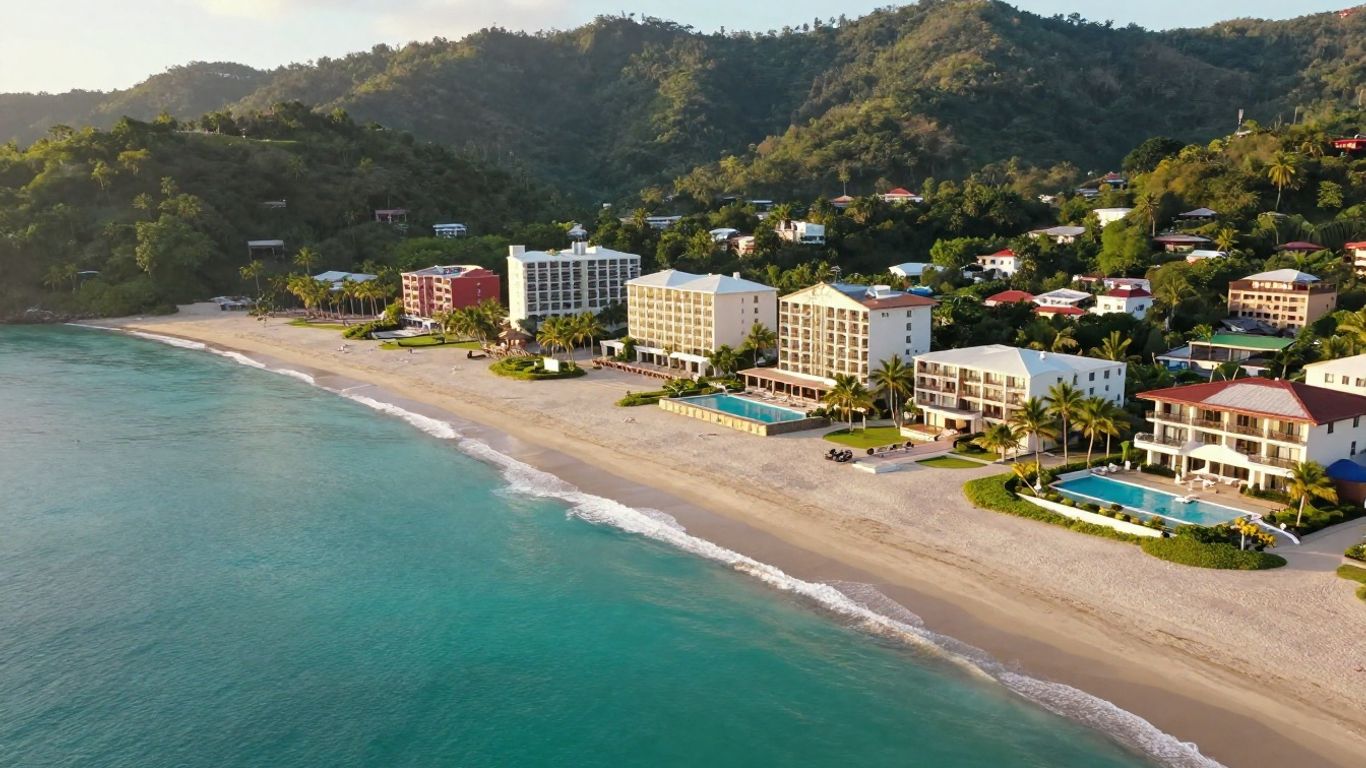
Brasilito has a relaxed coastal character that appeals to buyers who want more than a holiday address. The village sits near Playa Conchal and Playa Flamingo, while retaining a quieter, more authentic rhythm. For anyone researching beachfront condos for sale Brasilito, the central question is not simply which unit looks best, but how its setting supports everyday life and long-term ownership. Inventory, access, construction quality, and operating costs all deserve attention from the beginning.
What makes Brasilito attractive to condo buyers
Brasilito offers a walkable beach-village setting, access to local restaurants, and a natural connection to the Pacific. It can suit a full-time resident, a seasonal owner, or a household that wants a Costa Rican base without giving up contemporary comforts. The area also provides convenient access to nearby beaches and the Flamingo Marina, giving buyers a broader range of dining, boating, and outdoor experiences. A Playa Brasilito market guide can provide useful local context before you compare individual properties.
How beachfront properties differ from nearby coastal options
A true beachfront condo is defined by more than an attractive ocean view. Its value may come from direct access to the sand, the convenience of walking to the water, and the limited supply of appropriately located land. An ocean-view unit set farther inland may offer more privacy or a lower entry price, but the daily experience can be different, especially during the rainy season when access roads and drainage matter. Comparing Brasilito with Playa Conchal and Flamingo is therefore a comparison of setting, services, and ownership experience as much as price.
Condo types, layouts, and amenities to expect
Buyers may encounter compact one-bedroom residences, flexible layouts, larger two- or three-bedroom homes, and penthouse-style options. Pay attention to how the floor plan handles storage, guest privacy, natural light, and indoor-outdoor living rather than focusing only on total area. At Arcadia at Brasilito Beach, the documented offering includes unit types ranging from one-bedroom flex residences to three-bedroom family homes, along with pools, wellness spaces, and beachside dining. The right layout depends on whether the condo is primarily a retreat, a residence, or a rental property.
How location affects pricing and availability
Within a small coastal market, a few minutes can change the character and cost of a property. Direct beach access, sunset orientation, walkability, gated security, parking, and proximity to services may all influence demand. Newer, well-positioned communities can have limited releases, while resale inventory may vary considerably from month to month. Treat asking prices as a starting point and compare the full ownership package, including furnishings, amenities, HOA obligations, and any planned assessments.
Choosing the right condo location
Location should be tested through the routines you expect to have, not just viewed from a listing photograph. Walk the route to the beach, check the road after rain, and visit at different times of day if possible. A beautiful view may not compensate for difficult access, while a central location may bring more activity than some owners prefer. Brasilito gives buyers several versions of coastal living within a relatively compact area.
Comparing beachfront access with ocean-view settings
Direct beach access makes spontaneous swims, morning walks, and sunset visits easier, particularly for owners who plan to spend extended periods in the condo. An ocean-view setting can provide elevation, breezes, and a wider panorama, but buyers should ask whether the beach is reached on foot, by private path, or by car. Confirm what access rights actually convey and whether the route is maintained by the community or another party. The distinction should be reflected in both the purchase decision and the expected rental appeal.
Proximity to Playa Brasilito, Playa Conchal, and Flamingo
Playa Brasilito is the natural reference point for village life, while Playa Conchal offers a notably different beach experience and Flamingo brings a marina-oriented setting. The drive between these places may be short, but traffic, road conditions, and seasonal activity can affect how often you use them. A Brasilito and Conchal comparison is helpful for thinking through the difference between authentic village character and a more resort-centered environment. Buyers should visit each area rather than relying on map distances alone.
Evaluating access to restaurants, shops, and services
Walkability can make a major difference when a condo is used as a second home. Consider whether you can reach basic meals, groceries, medical services, banking, and household supplies without a long drive. Ask how deliveries work and whether internet and utilities are reliable at the specific building. A local beach-town property search can also reveal whether nearby services are established, seasonal, or still developing.
Assessing privacy, noise, and seasonal activity
Spend time on the balcony and in shared spaces before committing. Listen for road noise, pool activity, construction, music, and service vehicles, then ask how those conditions change during holidays and high season. Buildings with direct beach access may feel especially peaceful at one hour and more active at another. The goal is not perfect quiet, but a setting that matches your own definition of relaxed coastal living.
Evaluating condos for sale in Brasilito
A polished presentation is only the beginning of condo due diligence. Buyers should examine the building, the unit, the common areas, and the governing documents as one connected property. Coastal air, sun, humidity, and heavy rainfall place specific demands on exterior finishes and maintenance. A careful inspection can turn vague impressions into practical questions about durability and cost.
Reviewing construction quality and hurricane-resistant features
Costa Rica's Pacific coast is exposed to intense sun, seasonal rain, and seismic activity, so construction quality deserves close attention. Ask for plans, permits, completion records, drainage details, window specifications, roofing information, and evidence of regular maintenance. A qualified inspector can identify moisture intrusion, corrosion, cracking, poor seals, and ventilation issues that are easy to miss during a brief showing. Rather than accepting broad marketing language, request documentation for the features that matter to your unit and building.
Checking views, orientation, balconies, and outdoor spaces
The same advertised view can feel very different depending on floor level, neighboring construction, tree growth, and the direction of afternoon sun. Stand in each principal room and assess glare, wind, privacy, and how the balcony functions in real weather. Outdoor space should be checked for drainage, railing condition, waterproofing, shade, and practical furniture dimensions. In a coastal condo, the balcony is often part of the living area, so it should be evaluated with the same care as the kitchen or bedroom.
Understanding homeowners association services and rules
The HOA documents can reveal more about ownership than a brochure does. Review what fees cover, how reserves are funded, who handles landscaping and security, and whether owners may renovate, keep pets, park certain vehicles, or rent their units. A useful comparison includes both present fees and the association's history of special assessments. The following questions create a sensible first review list:
- What services are included in the regular HOA fee?
- How are reserves, repairs, and special assessments handled?
- Which renovations require approval before work begins?
- Are there limits on pets, guests, parking, or rentals?
After that first pass, have your attorney review the governing documents and meeting records. Rules that seem minor during a showing can materially affect personal use, renovation plans, and rental operations.
Comparing furnished, turnkey, and renovation-ready units
A furnished condo may shorten the time between closing and first use, but inspect the condition and ownership of every included item. Turnkey packages should be documented with an inventory, appliance details, warranties where available, and clear delivery terms. At Turnkey Paradise Living, the documented concept includes designer furnishings, appliances, and optional onsite property management; buyers should still confirm exactly what applies to the unit under consideration. Renovation-ready property may offer more design control, although the budget and approval process need to be understood before making an offer.
Navigating the purchase process in Costa Rica
Purchasing property in Costa Rica is manageable when the process is organized and independent checks are built in. A buyer should expect several professionals and documents to be involved, particularly when purchasing from abroad. Do not let a promising view compress the time needed for legal and technical review. The Costa Rica condo buying overview offers a general starting point, but your own attorney should advise on the specific transaction.
Working with a qualified real estate agent and attorney
An experienced local agent can help identify suitable listings, arrange visits, and explain practical differences between communities. Your attorney should represent your interests independently, conduct title work, review contracts, and explain the ownership structure in plain language. Ask both professionals about licensing, experience with condominium transactions, communication practices, and fees before sharing sensitive documents or funds. For an owner considering a future sale, general FSBO listing services may be useful background, though selling a Costa Rican condo still requires local legal and practical guidance.
Verifying title, ownership structure, and property boundaries
The legal review should confirm the registered owner, liens, easements, taxes, condominium regime, unit boundaries, parking rights, storage areas, and any restrictions affecting use. If the purchase involves a corporation or another ownership vehicle, understand its records, obligations, and transfer implications rather than assuming it is simpler. Compare title information with the physical unit and the condominium plan. This is also the stage to resolve discrepancies before a deposit becomes difficult to recover.
Understanding reservations, offers, and purchase contracts
Reservation agreements and offers can differ in how they handle deposits, due-diligence periods, financing, inspection findings, and withdrawal rights. Read every deadline carefully, including the date by which title and building documents must be approved. The final purchase contract should state what is included, when possession occurs, how closing costs are allocated, and what happens if a condition is not met. Never rely on an informal promise about furniture, repairs, views, or rental access.
Preparing for inspections and closing requirements
Arrange a professional inspection and gather the documents needed for identification, funds transfer, tax compliance, and signing. Buyers using a power of attorney should understand its scope and how it will be authenticated. Before closing, confirm that agreed repairs are complete, included items remain in place, utilities and HOA accounts are addressed, and insurance is ready to begin. A calm final walkthrough is worthwhile even when the transaction has already taken months.
Budgeting for a beachfront condo purchase
The purchase price is only one part of the financial picture. Coastal ownership includes recurring costs, occasional capital work, and expenses that vary with occupancy and management choices. A realistic budget should be built before making an offer, with room for currency movement and unexpected repairs. Conservative assumptions usually produce a more comfortable ownership experience than optimistic rental projections.
Estimating the total purchase price and closing costs
Start with the agreed price, then add legal fees, transfer taxes, registration charges, due-diligence costs, inspections, banking expenses, and any furnishing or repair allowance. Exact charges depend on the transaction and ownership structure, so obtain a written estimate from your attorney and closing professionals. If the unit is pre-construction, also confirm the payment schedule, deposit terms, delivery date, and treatment of upgrades. A buyer should know the cash required at signing as well as the amount required at closing.
Accounting for HOA fees, property taxes, and insurance
HOA fees commonly support shared maintenance, amenities, security, landscaping, and administration, but the scope varies by project. Property taxes and insurance should be confirmed locally, including whether a policy covers contents, liability, water damage, and storm-related risks. Ask for recent HOA budgets, reserve information, and any pending assessments. The goal is to understand both the predictable monthly cost and the less frequent expenses that can affect a coastal building.
Comparing cash purchases with financing options
Cash can simplify timing and reduce dependence on lender conditions, while financing may preserve liquidity for other goals. Compare interest, origination charges, appraisal requirements, insurance conditions, currency exposure, and early repayment terms. Financing availability for a foreign buyer and a particular condominium can vary, so obtain preliminary guidance before treating a payment estimate as reliable. The right structure is the one that leaves adequate reserves after closing.
Planning for maintenance, utilities, and property management
Budget for electricity, water, internet, cleaning, pest control, landscaping where applicable, repairs, furnishing replacement, and periodic deep maintenance. A management arrangement may help with guest communication, inspections, and upkeep, but review its fee structure and exact responsibilities. Use a simple annual model that separates fixed costs from expenses tied to occupancy. This makes it easier to compare a lightly used second home with a frequently rented unit.
| Cost category | Questions to ask | Why it matters |
|---|---|---|
| Purchase and closing | What is due now and at closing? | Prevents a shortfall in available cash. |
| HOA and reserves | What does the fee cover? | Clarifies shared maintenance and assessment risk. |
| Insurance and taxes | Which policies and taxes apply? | Protects against underbudgeting recurring obligations. |
| Operations | Who handles utilities, repairs, and guests? | Shows the true cost of part-time ownership. |
Once these categories are documented, compare properties on total annual cost rather than sticker price alone. That approach is especially useful when two condos offer similar views but very different services or maintenance responsibilities.
Assessing lifestyle and investment potential
A condo can be a deeply personal purchase and still deserve disciplined investment analysis. Rental demand, seasonality, community rules, and operating costs all influence the outcome. No projection should be treated as a promise, and past activity in one building may not repeat in another. The best fit is usually the property whose financial assumptions remain comfortable even under moderate occupancy.
Estimating rental demand throughout the year
Guanacaste attracts visitors seeking beaches, warm weather, outdoor activities, and easy access to nearby destinations. Demand may be stronger during certain holiday and dry-season periods, while other months require more flexible pricing or longer stays. Study comparable units with similar access, bedroom count, amenities, and finish level. Ask for evidence of actual bookings where available rather than relying only on broad tourism narratives.
Understanding short-term rental rules and restrictions
Before planning nightly or weekly rentals, review HOA rules, municipal requirements, registration obligations, tax treatment, and any community rental program. Some buildings permit short stays but impose minimum durations, registration procedures, guest limits, or booking restrictions. A rental plan should also account for noise policies, cleaning standards, security procedures, and neighbor relations. Legal and administrative advice is essential because rules can change and may apply differently to the owner and a management company.
Calculating potential income, expenses, and occupancy
Build a range of scenarios rather than one attractive forecast. Vary occupancy, nightly rates, cleaning costs, management fees, repairs, utilities, taxes, insurance, and platform charges, then compare the result with your financing and reserve requirements. A simple table can be useful, but the underlying assumptions matter more than the formatting. Net income after all expenses is the figure that belongs in your decision, not gross booking revenue.
Weighing personal use against long-term investment goals
Personal stays may reduce available rental nights, but they can be central to the value of owning in Brasilito. Decide how far in advance you need to reserve the condo for yourself, whether peak-season use matters, and how much management convenience you are willing to trade for control. Buyers seeking a more complete beachfront residence option can compare unit sizes, direct beach access, ocean and sunset views, turnkey finishes, gated security, and an optional rental program. The most satisfying purchase is one whose financial plan respects the lifestyle it was bought to provide.
Conclusion
A Brasilito beachfront condo can offer an appealing blend of Pacific access, village character, and contemporary coastal living, but the right purchase depends on careful comparison. Visit the location, inspect the building, review the legal and HOA documents, and budget for the full cost of ownership before committing. With clear priorities and measured assumptions, buyers can pursue an elevated home in Costa Rica while keeping the practical side of ownership firmly in view.
Frequently Asked Questions
Is Brasilito a good place to buy a beachfront condo?
Brasilito can suit buyers who value direct beach access, a walkable coastal village, nearby beaches, and a quieter atmosphere. The best fit depends on the building, budget, intended use, and tolerance for seasonal activity.
What should I compare besides the condo's asking price?
Compare closing costs, HOA fees, reserves, insurance, taxes, utilities, furnishings, maintenance, management, rental restrictions, and any planned assessments. These items can significantly change the annual cost of ownership.
Is direct beach access better than an ocean view?
Neither is universally better. Direct access favors convenience and daily beach use, while an elevated ocean-view setting may offer more privacy, breezes, or a different price point. Visit both settings and verify the access rights.
Do I need a Costa Rican attorney to buy a condo?
Independent legal representation is strongly advisable. An attorney can review title, ownership structure, boundaries, liens, condominium documents, contracts, closing requirements, and the handling of deposits.
Can I rent my Brasilito condo as a short-term vacation property?
Possibly, but permission depends on local requirements, tax and registration obligations, and the condominium's rules. Confirm the restrictions and operating responsibilities before including rental income in your budget.
How much should I reserve for condo maintenance?
There is no single appropriate amount because age, construction, climate exposure, HOA coverage, and furnishings vary. Ask for budgets and reserve information, then keep a separate contingency fund for unit-specific repairs and replacements.
Should I buy a furnished or renovation-ready condo?
A furnished or turnkey unit may simplify immediate use, while a renovation-ready condo may provide more design control. Inspect included items, verify warranties and approvals, and compare the total cost and time required for each option.
Updated August 4, 2026