Key Takeaways
Luxury living in Costa Rica is less about excess than about how naturally comfort, privacy, and place come together.
- Choose the region according to climate, access, scenery, and everyday services.
- Compare gated villas, condominiums, beachfront homes, and resort communities carefully.
- Review amenities, HOA services, ownership rules, and maintenance obligations before buying.
- International buyers should complete title, zoning, tax, and environmental due diligence.
- Visit prospective communities in person to understand whether the lifestyle truly fits.
What defines Costa Rica luxury residential communities
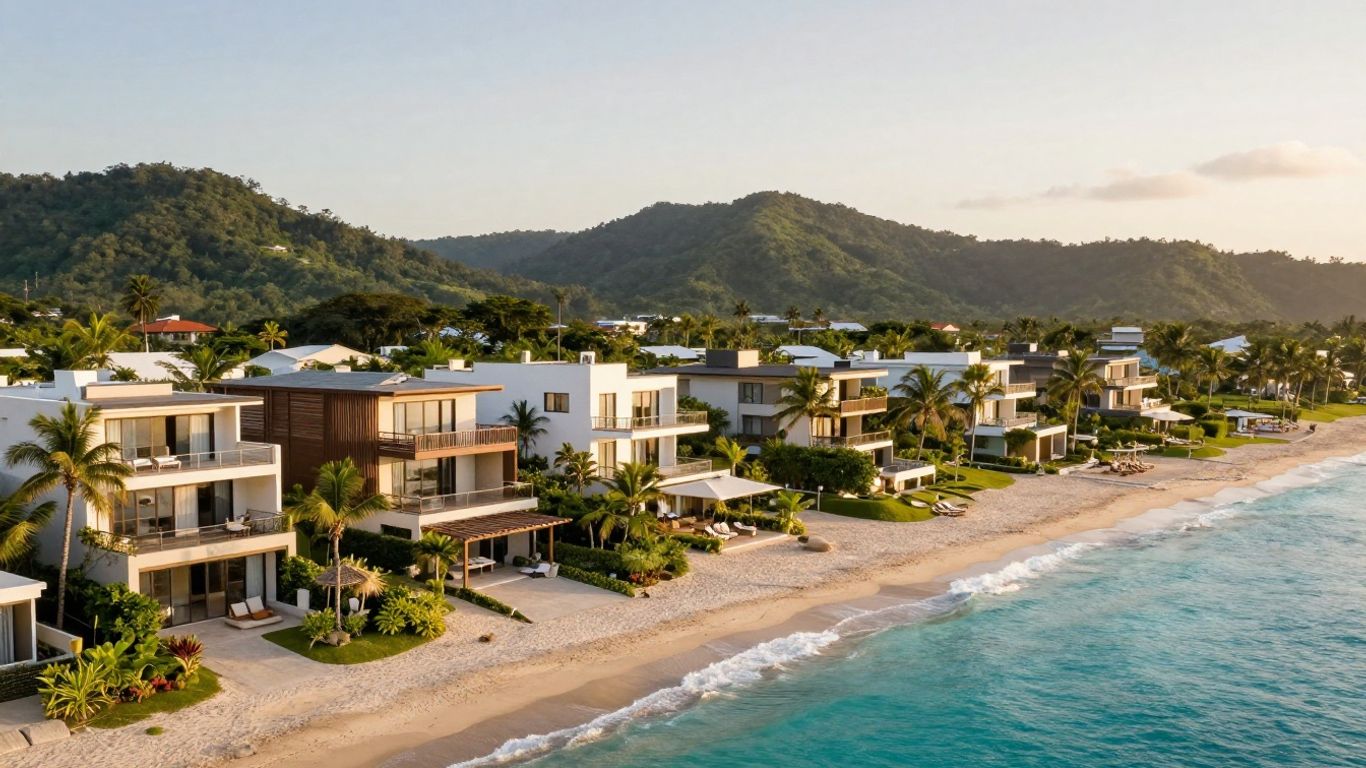
Costa Rica luxury residential communities bring together thoughtful architecture, private amenities, security, and a strong connection to the surrounding landscape. The best communities feel polished without becoming isolated from local culture or nature. For buyers, luxury is often measured by the ease of daily life as much as by the size of the home.
Private amenities and resort-style living
A well-designed community may offer swimming pools, fitness rooms, landscaped gardens, beach access, dining, or shared gathering areas. These amenities make a property more useful when owners are visiting for only a few weeks, while also giving full-time residents places to meet neighbors. The most appealing settings tend to combine resort-style convenience with a genuine sense of place.
At a beachfront development, walkability can matter as much as the pool or lobby. Arcadia at Brasilito Beach is positioned as a master-planned community between Reserva Conchal and Flamingo Marina, with direct beach access, ocean-view residences, and amenities connected to nature and community.
Security, privacy, and gated access
Security can mean controlled entry, onsite personnel, perimeter planning, lighting, and clear procedures for guests and service providers. Privacy is more nuanced: generous spacing, careful landscaping, and thoughtful window placement may matter more than imposing walls. Ask how security works at night, how deliveries are handled, and whether access policies are consistently maintained.
A gated setting should still feel comfortable rather than restrictive. Buyers who expect to walk to the beach, restaurants, or shops should check whether the community supports that rhythm, instead of assuming that security and convenience automatically come together.
Architectural design and premium finishes
Luxury homes in Costa Rica need to respond to sun, humidity, rain, salt air, and ventilation. Wide overhangs, shaded terraces, durable exterior materials, and well-planned airflow can be more valuable than purely decorative finishes. Inside, inspect cabinetry, glazing, appliances, flooring, bathrooms, and the quality of doors and hardware.
Modern design works best when it respects the landscape. A home with restrained materials and strong indoor-outdoor flow can feel more timeless than one built around ornamental details. Durability is part of luxury in a tropical climate, particularly for owners who will not be onsite year-round.
Wellness, recreation, and concierge services
Wellness may include fitness spaces, yoga areas, walking paths, treatment rooms, or simply access to quiet outdoor places. Recreation can range from surfing and snorkeling to golf, tennis, hiking, and swimming. Concierge services may help coordinate housekeeping, maintenance, transportation, or reservations, but the scope varies widely between communities.
Before treating a service as included, ask who provides it, when it is available, and how it is charged. A polished presentation is appealing, but reliable operations are what make a community pleasant after the initial purchase.
The best regions for luxury residential living
Costa Rica offers very different residential experiences within a relatively compact country. Pacific beach towns provide warm weather and outdoor living, while the Central Valley offers cooler temperatures, established services, and urban access. This guide to Costa Rica luxury locations provides a useful starting point for comparing the country’s major residential settings.
Guanacaste for beaches, golf, and dry-season weather
Guanacaste is a natural fit for buyers who want beaches, sunshine, and a relaxed coastal routine. The region includes established resort areas, smaller beach communities, golf settings, and neighborhoods with ocean views. Access to Liberia International Airport can also simplify visits for international owners, although driving times still vary considerably by property.
The coastline is not uniform. Tamarindo feels different from Brasilito, Flamingo, Conchal, or the Papagayo area, so spend time in each place before deciding. Local dining, beach access, road conditions, and the distance to groceries may shape daily satisfaction more than a brochure does.
The Central Valley for culture, services, and cooler temperatures
The Central Valley appeals to buyers who prefer mountain views, a temperate climate, cultural activity, and proximity to major medical and commercial services. Areas around San José, Escazú, Santa Ana, Heredia, and Alajuela offer varied housing, from private estates to condominium developments. Traffic and elevation can influence the experience, so a map alone is not enough to judge convenience.
This region may suit a primary residence particularly well. Buyers should consider commute patterns, access to schools and hospitals, neighborhood character, and whether the surrounding environment feels residential or urban before choosing a community.
The Papagayo Peninsula for exclusive coastal communities
The Papagayo Peninsula is associated with highly private coastal settings, resort amenities, coves, and elevated ocean views. It can suit buyers who value exclusivity and a carefully managed environment. The tradeoff may be a greater sense of separation from ordinary town life, with more reliance on private services and driving.
Review what comes with the residence and what requires a separate membership or fee. Beach access, golf, dining, marina services, and recreation can differ significantly even between nearby developments.
The Southern Zone for nature and secluded living
The Southern Zone offers rainforest, dramatic coastline, wildlife, and a quieter pace. Areas such as Dominical, Uvita, and the Osa region attract buyers who want privacy and a close relationship with the natural environment. Homes may be more dispersed, and roads, utilities, and services deserve especially careful review.
Seclusion is rewarding when it matches the owner’s expectations. It can also mean longer drives for healthcare, shopping, airport transfers, or repairs, so buyers should test the route in both dry and wet conditions when possible.
Residential community types to consider
The community model influences privacy, costs, maintenance, and the way a home is used. A standalone villa may provide more control, while a condominium can simplify upkeep and security. Think about how much responsibility you want to retain once the purchase is complete.
Gated villa communities
Gated villa communities typically offer detached homes, private outdoor areas, and a stronger sense of individual ownership. They can be appealing to families or full-time residents who want more space for guests, gardens, and entertaining. The buyer should examine road maintenance, landscaping responsibilities, backup utilities, and the actual boundaries of shared services.
Some villa communities feel intimate; others are expansive and resort-oriented. Walk through the neighborhood at different times of day to understand noise, traffic, shade, and the relationship between homes.
Luxury condominium developments
Condos are often attractive to international owners seeking a lock-and-leave arrangement. Shared maintenance can cover common landscaping, pools, exterior repairs, security, and building systems. In exchange, owners accept association rules and recurring fees, along with less control over changes to the property.
A development such as Arcadia Brasilito illustrates the questions buyers should ask about residences, amenities, rental eligibility, HOA fees, foreign ownership, and the purchase timeline. Those details should be confirmed in the governing documents rather than inferred from marketing language.
Oceanfront and beachfront neighborhoods
Oceanfront homes offer proximity and views, but “ocean view” and “beachfront” are not interchangeable. Confirm the legal description, access rights, building setbacks, future construction risks, and exposure to salt, wind, and stormwater. A home that is one row back may have easier maintenance and comparable outdoor enjoyment, depending on the site.
The beach itself also changes the experience. Some shorelines are ideal for swimming, while others are better for walking, surfing, or watching the sunset. Visit at different tides and in different weather before committing.
Golf and resort communities
Golf and resort communities can offer organized recreation, restaurants, pools, trails, and professional property management. They may work well for owners who enjoy structured amenities and want a ready-made social setting. However, membership terms, guest access, and resort privileges should be reviewed separately from the property purchase.
Ask whether amenities are owned by the association, operated by a hotel, or available only through a club membership. That distinction affects both the cost and the continuity of the experience.
How to compare homes, amenities, and community services
Comparing luxury homes requires more than ranking views and finishes. Consider how the property performs on an ordinary Tuesday, including internet reliability, grocery access, service calls, shade, and the time needed to reach an airport. A written comparison helps prevent a memorable showing from overshadowing practical differences.
Evaluating location and accessibility
Start with travel time to the airport, medical care, supermarkets, schools, beaches, and the activities you actually enjoy. Check the final kilometers, not only the major highway route. Road quality, seasonal rain, hills, and traffic can change a short distance into a meaningful daily burden.
For broader research, Costa Rica real estate guidance can help frame comparisons across the Central Valley and Pacific coast. Treat general market information as a starting point, then verify the specific property and municipality.
Comparing property sizes and home designs
Compare interior area, covered terraces, storage, parking, outdoor space, and the number of genuinely usable rooms. Ask whether measurements are reported consistently and whether terraces or garages are included in advertised totals. Orientation matters too: afternoon sun, prevailing winds, and privacy from neighboring homes affect comfort.
A simple comparison table can keep the decision grounded in the features that will shape everyday use:
| Comparison point | Questions to ask | Why it matters |
|---|---|---|
| Location | How long are key journeys? | Convenience and resale appeal |
| Construction | What materials and warranties are provided? | Durability and future repairs |
| Outdoor space | Is it shaded, private, and usable? | Comfort in a tropical climate |
| Layout | Does it suit guests or long-term living? | Flexibility over time |
After reviewing the table, walk through each home slowly rather than relying on the order of a sales tour. The best choice is usually the one whose practical strengths remain clear after the initial visual impression fades.
Reviewing amenities and maintenance services
Ask for a current amenity list, operating schedule, maintenance budget, and responsibility matrix. Determine who handles pools, elevators, roofs, roads, landscaping, pest control, generators, and emergency repairs. If a rental program is available, understand whether housekeeping, guest support, and repairs are included or billed separately.
The Costa Rica investment guide is useful background for thinking about taxes, ownership structures, and rental considerations, but it should not replace property-specific financial advice. Obtain recent budgets and meeting records where available.
Assessing community rules and ownership restrictions
Community documents may address pets, renovations, rentals, noise, parking, occupancy, signage, and architectural changes. These rules protect consistency, but they can also limit how an owner uses the property. Read them before making an offer, especially if you expect to rent, remodel, or bring pets.
A community’s rules should match your intended lifestyle. Ask for written confirmation when a sales representative describes an exception or permission, since informal assurances may not survive a change in management.
The costs of buying and living in a luxury community
The purchase price is only one part of the financial picture. Buyers should model closing costs, furnishings, insurance, utilities, maintenance, travel, management, and possible vacancies. A comfortable budget leaves room for repairs and changes in currency exchange rates.
Purchase prices and ongoing ownership expenses
Prices vary according to region, frontage, views, construction quality, size, and the maturity of the community. New developments may involve deposits and staged payments, while resale homes may require immediate upgrades. Request a complete estimate of acquisition costs and clarify which appliances, furniture, and fixtures are included.
Ongoing expenses can include landscaping, pool care, pest management, internet, transportation, staff, and replacement of outdoor materials affected by sun or salt. A lower purchase price is not necessarily lower cost if maintenance is intensive.
Homeowners’ association fees and shared services
HOA fees may fund security, common areas, roads, landscaping, pools, building insurance, reserve funds, and management. Compare what each association actually provides rather than comparing the monthly figure alone. Ask how often fees have risen and whether major assessments are planned.
Review budgets, reserve studies, meeting minutes, and delinquency levels when they are available. These documents reveal whether the community is being maintained proactively or simply responding to problems as they appear.
Property taxes, insurance, and utilities
Property taxes, insurance premiums, utilities, and municipal charges should be estimated for the specific property. Coastal exposure may affect insurance and maintenance, while larger homes generally consume more electricity and water. Confirm whether coverage includes wind, flooding, earthquakes, liability, contents, and periods when the home is vacant.
Utilities can also vary with occupancy. Owners who visit seasonally should understand minimum charges, internet suspension policies, water systems, and how the property is monitored between visits.
Rental potential and investment considerations
Rental income depends on location, seasonality, pricing, management, guest demand, and the property’s condition. It should be treated as a scenario rather than a promise. Compare projected income with HOA fees, taxes, management commissions, cleaning, repairs, furnishing replacement, and periods without bookings.
A home that performs well as a rental may not be the same home that feels ideal for retirement. Define whether investment return, personal use, or a balance of both is the primary goal before analyzing projections.
Legal and practical considerations for international buyers
International purchases are common in Costa Rica, but familiarity with the country should not be assumed. Ownership structure, title, zoning, access, water, construction permits, and coastal regulations all deserve professional review. The process is easier when questions are raised early, before emotions and deposits make the decision harder to change.
Understanding property ownership in Costa Rica
Buyers should understand whether they are purchasing titled property, a condominium interest, or an interest affected by special coastal rules. Confirm the registered owner, property boundaries, liens, easements, zoning, and permitted use. The legal structure should be explained in plain language before documents are signed.
Do not rely solely on a listing description or a verbal statement about foreign ownership. The right structure depends on the property, the buyer’s circumstances, tax position, and long-term plans.
Completing due diligence before making an offer
Due diligence may include a title search, survey review, corporate searches, zoning confirmation, permits, utility verification, environmental review, and examination of condominium or HOA documents. For beachfront property, confirm maritime-zone requirements and the precise location of the legal boundary.
A practical checklist includes:
- Confirming title, liens, easements, and boundaries.
- Reviewing zoning, permits, and approved building plans.
- Checking water, electricity, internet, road, and access arrangements.
- Examining HOA budgets, rules, reserves, and pending assessments.
These checks are not bureaucratic distractions. They help establish what is being purchased and what obligations will follow it.
Working with real estate and legal professionals
Choose professionals who regularly handle Costa Rican property transactions and who represent your interests clearly. The agent can help with market context and negotiation, while an independent attorney should explain title, contracts, fees, and risks. Consider using translators or bilingual professionals when any document is not fully understood.
Some unrelated property-buying resources, such as a Malibu home checklist, can offer general prompts about privacy, design, and community—but Costa Rican legal advice must come from professionals familiar with local law. Similarly, a managed service provider guide is not property advice and should not be treated as such.
Managing financing, currency, and closing requirements
Clarify whether the purchase will be financed locally, funded from abroad, or paid in stages. Confirm exchange-rate procedures, transfer fees, source-of-funds documentation, deposit conditions, and the estimated closing schedule. Your attorney and financial advisers should coordinate so that tax and reporting obligations are understood in the relevant jurisdictions.
Keep a written record of every payment, deadline, document, and condition. That simple discipline can prevent confusion when several parties are involved in a cross-border transaction.
How to choose the right community for your lifestyle
The ideal community is not necessarily the most expensive or the most private. It is the one that supports the way you expect to live, whether that means morning swims, family visits, remote work, entertaining, or quiet retirement. Start with your habits, then judge the property against them.
Defining your priorities and long-term goals
Write down your non-negotiables before touring homes. Separate essential needs from attractive extras, and think about how those priorities may change over five or ten years. A home chosen for occasional holidays may need a different layout and service model from one intended as a permanent residence.
Consider privacy, walkability, outdoor space, accessibility, rental flexibility, community atmosphere, and tolerance for maintenance. The exercise often reveals whether you want a residence, an investment, or a combination of both.
Visiting communities and comparing the experience
Spend enough time onsite to experience the community beyond a formal showing. Visit during the morning, afternoon, and evening; speak with residents when appropriate; and test the walk to nearby services. Notice sound, shade, parking, landscaping, cell reception, and the condition of shared spaces.
The emotional response matters, but it should sit beside practical observations. A community that feels calm and welcoming during a tour should also make sense when you imagine a rainy afternoon, an arriving guest, or an urgent repair.
Considering access to healthcare, schools, and airports
Access is personal and should be measured against your household’s needs. Families may prioritize schools and activities, while retirees may focus on hospitals, pharmacies, and reliable transportation. Frequent travelers should calculate the full route to the airport, including traffic and road conditions.
Healthcare planning deserves particular attention. A beautiful remote setting can still work well if transport, local clinics, emergency procedures, and specialist access are clearly understood.
Planning for full-time living, seasonal use, or retirement
Full-time residents may value storage, workspaces, reliable utilities, nearby services, and a stronger connection to local community life. Seasonal owners may prioritize turnkey maintenance, security, management, and a home that can be closed safely between visits. Retirees often want a blend of healthcare access, walkability, climate, and social connection.
Arcadia at Brasilito Beach presents one example of a beachfront community oriented toward ocean-view residences, walkability, pools, wellness spaces, beachside dining, and access to local outdoor activities. Whether that model fits depends on how closely it matches your own pace and plans.
Conclusion
Choosing among Costa Rica luxury residential communities is ultimately a decision about daily rhythm: the climate you prefer, the people and services nearby, the care a home requires, and the connection you want with the landscape. Compare the legal and financial details with the lived experience, take time to visit, and let the right community emerge from both careful research and genuine comfort.
Frequently Asked Questions
What makes a residential community luxurious in Costa Rica?
Luxury typically combines thoughtful design, quality construction, privacy, security, reliable maintenance, and amenities that support everyday comfort. The setting and connection to nature are often just as important as the finishes.
Which region is best for a luxury home in Costa Rica?
Guanacaste suits buyers seeking beaches and a drier climate, while the Central Valley offers cooler temperatures and broad access to services. The Papagayo Peninsula favors exclusivity, and the Southern Zone is well suited to secluded nature-oriented living.
Are condominiums or villas better for international buyers?
Neither is universally better. Condos can simplify maintenance and security, while villas may provide more space and control. The right choice depends on how often you will visit, how much upkeep you want, and whether rental use matters.
What should buyers review before purchasing beachfront property?
Review title, boundaries, maritime-zone rules, access rights, zoning, construction permits, environmental considerations, insurance, and exposure to salt and storms. Independent legal and technical advice is essential.
How much should buyers budget beyond the purchase price?
Allow for closing costs, taxes, insurance, HOA fees, utilities, furnishings, maintenance, management, travel, and possible repairs. The exact amount depends on the property and intended use, so obtain a property-specific estimate.
Can foreigners own property in Costa Rica?
Foreign ownership is possible in many circumstances, but the applicable structure and restrictions depend on the property and location. A qualified Costa Rican attorney should verify title, ownership rights, and any coastal or condominium requirements.
Is a luxury community suitable for retirement?
It can be, especially when it offers suitable healthcare access, manageable maintenance, transportation, walkability, and social connection. Visit for an extended period if possible before making a permanent decision.
Updated August 6, 2026